December 29, 2025
This article explores the various factors and considerations that residential roofers take into account when selecting the best materials for a roofing project. Understanding these factors can help homeowners make informed decisions when working with roofing professionals. Roofing isn't just about protection from the elements; it’s also about aesthetics, energy efficiency, and long-term financial planning. By comprehensively exploring these subjects, we aim to provide a holistic understanding that'll support homeowners in making educated decisions. The right roofing choice can significantly influence the comfort, safety, and value of one's home over decades.
Consider Climate and Weather Conditions
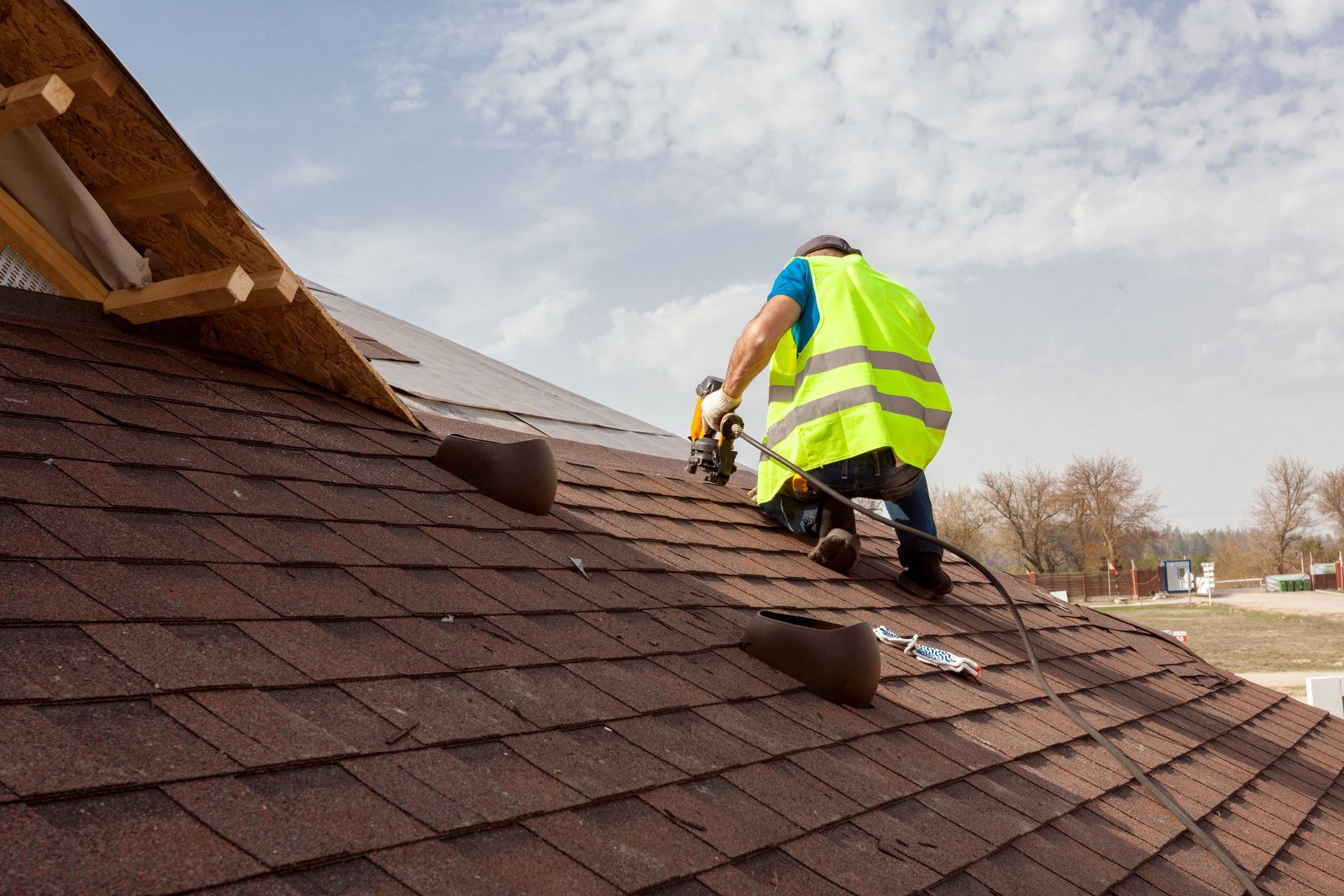
Roofing materials need to be tailored to the climate. For example, regions with temperature extremes require materials that can expand and contract without losing integrity. Asphalt shingles, used by nearly 83% of roofers as their primary source of revenue according to This Old House, are favored in many climates due to their versatility. Heat can cause certain materials to warp or lose adhesion, while freezing temperatures can make them brittle. Understanding your local climate is the first step in choosing materials that will last. Precipitation patterns play a crucial role in material selection. Heavy rains require roofs with excellent drainage capabilities. Homeowners should consider the balance between material cost and performance in wet conditions.
Wind resistance is another critical factor. In hurricane-prone areas, roofing materials must be able to withstand high wind speeds. Metal roofing, for instance, offers superior wind resistance compared to traditional asphalt shingles. Residential roofers must evaluate both average and extreme wind conditions in the area. This ensures that the installed roofing can protect the home against violent weather events.
Weigh Durability and Lifespan of Materials
Understanding the lifespan of roofing materials is vital. Asphalt shingles are popular because they offer a reasonable balance of cost and lifespan, usually around 20 to 30 years from our experience. Comparatively, we have found metal roofs to last 50 years or more, providing longer-term solutions. The upfront cost may be higher, but the reduced frequency of replacement can make them cost-effective in the long run.
Durability isn't just about longevity but also about resilience to wear and tear. Residential roofers must assess the material's ability to withstand the typical environmental challenges in their region. For example, some materials are more resistant to moss and algae, which can be crucial in humid environments. Material choice can impact the level of maintenance required over the roof's lifespan. A more durable roof can equate to lower maintenance costs and less hassle.
Material warranties provide additional peace of mind for homeowners. Longer warranties are often indicative of the manufacturer's confidence in their product's durability. Residential roofers must inform homeowners about the terms of these warranties to ensure they understand the implications of their material choice. Historical performance data may reveal a lot about how different materials have held up in similar climate conditions over time. This information is invaluable for making a well-informed decision.
Factor in Aesthetics and Design Appeal
Aesthetics are a significant consideration in roofing choices. The roofing material should complement the home's architectural style. For historic homes, traditional materials might be preferable to maintain the home's character. On the other hand, modern homes might benefit from the sleek look of metal roofing. Residential roofers should help clients choose materials that enhance the overall appeal of their home.
Color is another element that impacts aesthetic appeal and function. Lighter-colored roofs can reflect heat, which is beneficial in hot climates by reducing cooling costs. However, dark colors might suit colder climates as they absorb heat. Residential roofers guide homeowners in selecting colors that match the home while also fitting its surroundings. This choice can enhance curb appeal significantly, potentially boosting property value.
Textural choices can add depth and interest to a roof. Regional preferences may influence these choices, as some styles are more prevalent in certain areas due to cultural and historical reasons. Ultimately, homeowners should choose textures and styles that reflect their personal taste and the character of their home.
Balance Budget and Long-Term Value
Budget is a primary factor for most homeowners. The initial investment must be weighed against potential long-term savings. For example, while metal roofs are costly upfront, their longevity and low maintenance can provide savings over time. Homeowners must understand the trade-off between initial costs and lifetime value. Residential roofers can help outline the cost-benefit analysis to support this decision-making process.
Material costs vary significantly. Asphalt shingles are often the least expensive, making them attractive for budget-conscious homeowners. However, more expensive materials might offer benefits that justify their price. Understanding economies of scale can also affect material costs, as bulk purchases might reduce expenses. It's important to consider the entire financial picture, not just upfront costs.
Identifying cost-effective alternatives is crucial for those on strict budgets. Some materials can mimic expensive options while offering a lower price point. Quality shouldn't be sacrificed for cost; rather, finding the optimal balance between quality and price is key. Residential roofers can advise on the best cost-effective options that'll still provide adequate protection and aesthetics. Making informed choices about materials is essential for maximizing investment.
Prioritize Sustainability and Energy Efficiency
Sustainability is increasingly becoming crucial in roofing material selection. The use of recycled materials is one way to mitigate environmental impact. Many roofing materials, like metal, are highly recyclable and sometimes even made from recycled content. These options help reduce waste and contribute to a sustainable future. Homeowners are often motivated by the potential to reduce their carbon footprint.
Energy efficiency considerations can lead to savings on energy bills. Cool roofing materials that reflect more sunlight and absorb less heat can reduce energy use and improve indoor comfort. The impact of roofing on overall energy consumption shouldn't be underestimated. Roofers can guide homeowners in choosing materials that contribute to energy conservation.
The recyclability of roofing materials is another environmental consideration. After a roof's life span ends, having materials that can be reused or recycled is a significant advantage. Certifications for eco-friendly roofing products provide additional assurance to consumers. Residential roofers can recommend options that have minimal environmental impact without compromising on quality or durability. Choosing sustainable materials is beneficial for both homeowners and the planet.
Follow Building Codes and Safety Standards
Understanding local building codes is essential when choosing roofing materials. Codes may dictate specific materials or construction methods, and failing to comply can lead to fines or future rebuilding. Roofers play a critical role in ensuring their choices meet these legal requirements. Homeowners can also educate themselves about the relevant building codes in their area. Being informed helps avoid unnecessary complications.
Navigating permits and approvals is a necessary step in roofing projects. Certain materials or substantial alterations might require additional permits. Residential roofers can assist in determining which permits are needed and guide the application process. This ensures that all work is legally compliant. Adhering to these requirements helps prevent delays and ensures the project proceeds smoothly.
Safety standards are another vital consideration when choosing roofing materials. The right materials can reduce the risk of accidents during installation and maintenance. Staying updated with industry changes can also influence material choice and ensure that the latest safety innovations are adopted. Residential roofers must remain informed about these developments. Insurance considerations and compliance with regulations are also vital to protect against potential liabilities.
Choosing the best roofing materials involves a holistic evaluation of multiple factors. By understanding the intricacies involved, homeowners can partner effectively with residential roofers to ensure a durable and aesthetically pleasing roof that aligns with their budget and environmental values. The right material can enhance home value, provide long-term economic benefits, and contribute to environmental sustainability. Engaging with knowledgeable roofing professionals helps navigate these complex considerations effectively. Informed choices lead to satisfaction and peace of mind for many years to come. Reach out to AASAP Roofing & More LLC to learn more about our roofing services today.