April 10, 2026
Choosing the right roofing material is a critical decision that impacts your home’s durability, energy efficiency, and overall value. With a wide range of options available, from budget-friendly asphalt shingles to long-lasting slate and metal, homeowners must weigh performance, cost, and environmental factors. Each material offers distinct advantages depending on climate conditions, structural requirements, and long-term goals. Understanding these key differences is essential for making an informed investment that protects your property for years to come with guidance from an experienced roofing company.
Understanding Common Roofing Materials
Asphalt Shingles
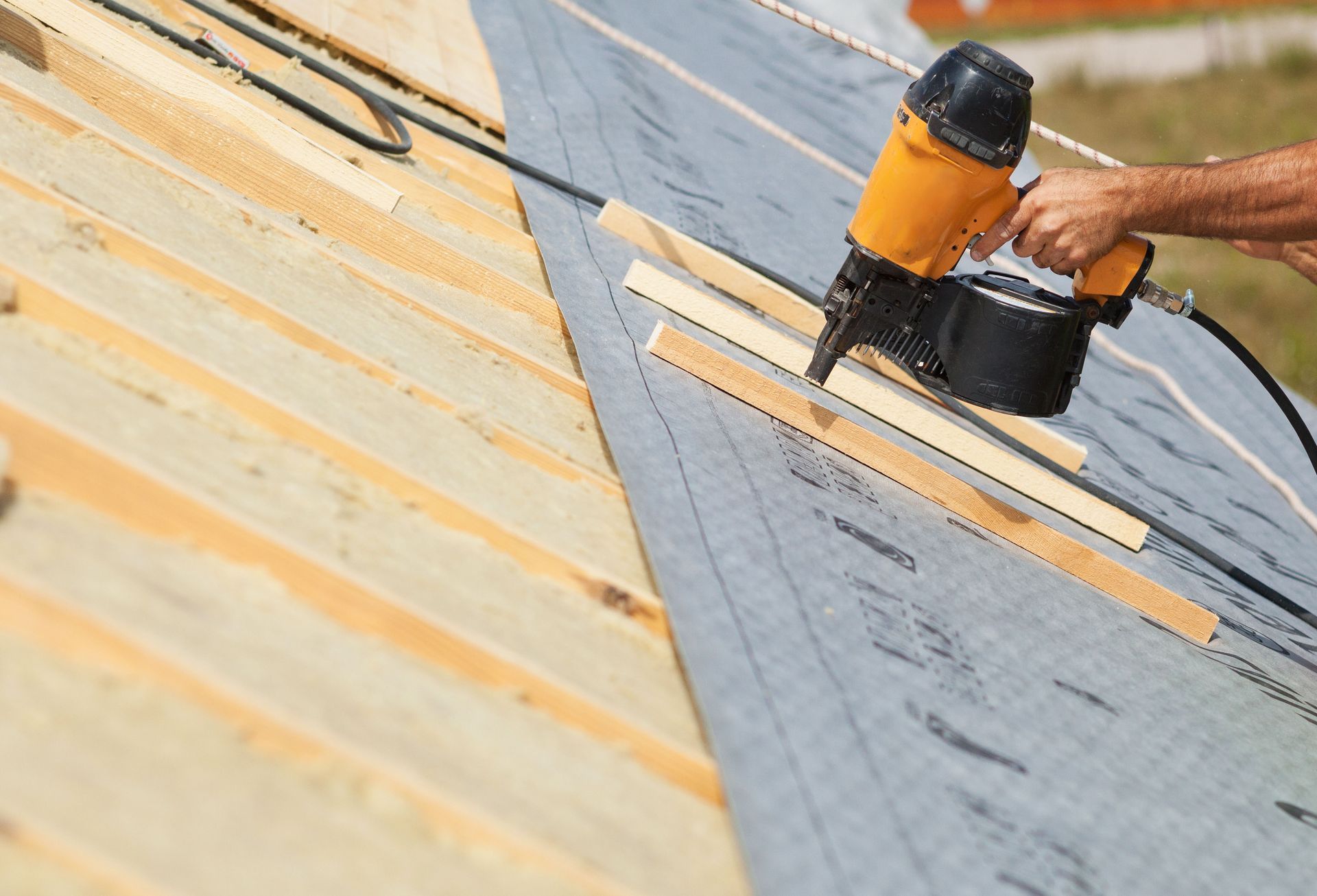
Asphalt shingles are among the most popular roofing materials due to their affordability and ease of installation. They offer a wide variety of styles and colors, making them versatile for different architectural designs. According to Extreme Weather Insights, asphalt shingles can withstand most winds up to 70 mph, making them a suitable option for many regions. Their cost-effectiveness, combined with adequate durability, makes them a preferred choice for homeowners on a budget when recommended by a roofing company.
Metal Roofing
Metal roofing is known for its exceptional durability and longevity, often lasting 50 years or more. It is resistant to extreme weather conditions, including heavy snow, rain, and hail. The reflective properties of metal roofs also contribute to energy efficiency by reducing cooling costs in hot climates. Moreover, metal roofing can be made from recycled materials, aligning with sustainable building practices. Although the upfront cost might be higher, the long-term savings and low maintenance make metal roofing a worthwhile investment, according to any reputable roofing company.
Slate Roofing
Slate roofing is admired for its classic aesthetic appeal and unparalleled durability. This natural stone material can last over a century, making it one of the longest-lasting roofing options available. Slate is fire-resistant and has excellent resistance to water absorption, which aids in preventing mold and mildew. However, its heavyweight requires reinforced roofing structures, adding to installation complexity and cost. Despite these challenges, its longevity and elegance make slate a premium choice for those prioritizing long-term value and beauty.
Factors Influencing Material Choice
Climate Considerations
Climate plays a critical role in determining the suitability of roofing materials for a project. Areas prone to hurricanes or high winds might benefit from asphalt shingles, as they are designed to withstand strong winds. In colder climates, materials like metal or slate that can endure heavy snow loads are preferable. Conversely, regions with high temperatures might opt for materials with reflective properties, such as metal or certain types of tile. Understanding the local weather patterns is essential for choosing roofing materials that offer safety and durability with input from a local roofing company.
Budget Constraints
Budget is often a decisive factor in selecting roofing materials, influencing both initial costs and long-term expenses. Asphalt shingles are typically the most economical option upfront, but may incur moderate maintenance costs over time. In contrast, materials like slate or metal may necessitate higher initial investments but offer significant savings through their longer lifespan and minimal maintenance needs. Evaluating the cost-benefit ratio of each material is essential for making an informed decision that aligns with financial constraints. Considering long-term value can oftentimes provide more economical solutions than initial price alone.
Structural Requirements
The structural capacity of a building can limit the choice of roofing materials. Heavier materials, such as slate and concrete tiles, require additional support to safely handle their weight. In contrast, lighter materials like asphalt shingles and metal are more flexible with structural requirements. It’s important to assess the building's existing framework and consult professionals to ensure the chosen material is compatible. Ignoring structural requirements can lead to structural failures and costly repairs, so prioritizing safety is essential when working with a qualified roofing company.
Environmental and Energy Efficiency
Reflectivity and Energy Savings
Reflectivity is a significant factor in enhancing energy efficiency, particularly in sun-intensive climates. Metal roofing is highly reflective, reducing heat absorption and keeping indoor temperatures cool. Some asphalt shingles are designed with reflective granules to promote energy savings. This not only reduces cooling costs but also lessens the strain on HVAC systems. Opting for energy-efficient materials can contribute to lower utility bills and a more comfortable indoor environment.
Recyclability of Materials
The recyclability of roofing materials contributes to environmental sustainability by reducing waste. Metal roofing stands out for its recyclability, with materials often being made from recycled metals and reused at the end of their life cycle. Asphalt shingles are also recyclable, though less commonly recycled due to logistical challenges. Projects committed to sustainability should prioritize recyclable materials, contributing to the circular economy and reducing landfill contributions. Incorporating recyclable materials into a roofing project aligns with environmentally conscious building practices.
Impact of Roofing Materials on Sustainability
Roofing materials’ impact on sustainability encompasses factors such as energy efficiency, durability, and environmental footprint. Metal and clay tiles boast long lifespans and can reduce heating and cooling demands, promoting energy conservation. Slate and wood from sustainably managed forests also contribute positively by minimizing resource depletion. Conscious material choices can significantly lower the ecological footprint of a construction project. By collaborating with environmentally-focused roofing companies, homeowners can make well-informed decisions that foster sustainable living by partnering with a knowledgeable roofing company.
Longevity and Durability
Weather Resistance
Weather resistance is an essential factor for evaluating roofing materials, as it directly affects longevity and performance. With capabilities to endure strong winds, asphalt shingles present a reliable option for areas susceptible to strong winds. Metal roofs provide exceptional weather resistance, withstanding hail, snow, and even fires, making them ideal for regions with extreme climates. Clay and concrete tiles excel in withstanding intense heat and sunlight without deteriorating. Ensuring the selected material can cope with local weather conditions protects the structure and longevity of the roof.
Material Lifespan
Material lifespan is a key consideration, influencing the timing and frequency of roof replacements. Slate and metal roofs deliver the longest service life, often surpassing a century, providing enduring value and fixed coverage. Asphalt shingles offer a modest lifespan suitable for temporary structures or budget-conscious projects. Conversely, wood shakes and shingles might require replacement more frequently due to vulnerability to the elements, reducing their lifespan. Investing in longer-lasting materials like metal, slate, or tiles generally yields greater long-term financial benefits.
Impact Resistance
Impact resistance is crucial for protecting rooftops from physical damage caused by debris during storms or other environmental factors. Metal and certain high-quality asphalt shingles display commendable impact resilience, minimizing damage from falling tree limbs or flying debris. Clay tiles exhibit moderate resistance, though they may crack under severe impacts. Slate offers robust impact resistance; however, installation must prevent damage due to its stony nature. Confirming impact resistance can prevent frequent repairs and extend the life of the roofing material, preserving both structural and aesthetic integrity.
Selecting the ideal roofing material involves balancing durability, cost, aesthetics, and environmental impact with the help of a credible roofing company to meet your specific needs. By evaluating factors such as climate, structural capacity, and long-term performance, homeowners can choose a solution that delivers both reliability and value. Whether prioritizing affordability, sustainability, or longevity, the right material ensures lasting protection and efficiency. A well-informed decision not only enhances your home’s appearance but also secures its structural integrity for the future.
Choose AASAP Patio Covers, Screen Enclosures & Roofing LLC to help you select and install the right roofing material for lasting performance, efficiency, and protection. Contact us today!